
HMO Escape Route Compliance: Would Your Property Pass Inspection?

When councils inspect HMOs, one area is assessed immediately — the escape route.

Before paperwork.
Before tenancy agreements.
Before licences.

If the means of escape is compromised, everything else becomes secondary.

Yet during routine visits, we regularly find escape routes that technically exist — but wouldn’t function properly in an emergency.

For HMO landlords, escape route compliance isn’t just a licensing condition. It’s a life-safety responsibility.

What Is an “Escape Route” in an HMO?

An escape route (also referred to as the “means of escape”) is the protected path tenants would use to exit the property safely in the event of fire.

This typically includes:

•   Hallways

•   Staircases

•   Landings

•   Final exit doors

•   Protected corridors

Under guidance from GOV.UK, HMOs must provide adequate and safe escape routes, appropriate to the size and layout of the property.

That route must remain protected, unobstructed, and properly maintained at all times.

The Most Common Escape Route Failures We See

1. Storage in Hallways and Stairwells

This is one of the biggest recurring issues.

We frequently find:

•   Bicycles stored under stairs

•   Shoe racks in corridors

•   Furniture temporarily placed in hallways

•   Boxes and personal belongings along escape paths

Tenants often don’t view communal areas as high-risk. But even partial obstruction can:

•   Slow evacuation

•   Increase trip hazards

•   Provide fuel for fire spread

Escape routes must be completely clear.

2. Fire Doors Wedged Open

Following on from our previous post on fire doors, wedging doors open is still common.

When doors along the escape route are propped open:

•   Smoke spreads faster

•   Protected corridors lose integrity

•   Compartmentation fails

Even small wedges or doorstops can invalidate your fire strategy.

3. Poor Emergency Lighting Coverage

In multi-storey HMOs, escape routes often require emergency lighting.

We regularly see:

•   Lighting not functioning during tests

•   Expired test records

•   Inadequate coverage in darker stairwells

•   Battery units not maintained

If a power failure occurs during a fire event, tenants must still be able to see clearly enough to exit safely.

Without compliant emergency lighting, that becomes difficult.

4. Inadequate Fire Separation

Escape routes must be protected from high-risk areas.

Common problems include:

•   Non-fire-rated doors opening onto staircases

•   Glazed panels without fire rating

•   Poorly sealed service penetrations

•   Under-stair cupboards without proper fire lining

These issues allow smoke and flames to breach the escape route prematurely.

5. Final Exit Door Issues

The final exit must:

•   Open easily from the inside

•   Not require a key

•   Be free from obstruction

We sometimes find:

•   Double-locking systems

•   Keys not readily accessible

•   Security modifications added after licensing

Security must never override safe escape.

“It’s Always Been Like That…”

This is something we hear often.

However:

•   Standards evolve

•   Councils increase enforcement focus

•   Risk assessments change

•   Wear and tear accumulates

Bodies like the National Residential Landlords Association advise landlords to treat fire safety as an ongoing management issue — not a one-off compliance exercise.

Escape routes degrade over time if not actively monitored.

Why Councils Focus Heavily on Escape Routes

Escape routes are:

•   Visually assessable

•   Immediately critical

•   Central to HHSRS hazard evaluation

In areas such as Manchester and Salford, inspection teams are increasingly detail-focused on practical fire safety compliance.

An obstructed or compromised escape route can quickly lead to:

•   Improvement notices

•   Formal warnings

•   Licence conditions

•   Increased scrutiny across the property

In serious cases, enforcement action can escalate rapidly.

The Overlooked Risk: Tenant Behaviour

Even if your property was compliant at licensing stage, tenant behaviour can change things quickly.

Examples include:

•   Bringing additional furniture

•   Storing personal items in communal areas

•   Tampering with door closers

•   Installing their own locks

Without regular inspections, these issues go unnoticed until a council visit.

That’s reactive management — and it’s risky.

How Often Should Escape Routes Be Checked?

Best practice for HMOs includes:

•   Visual checks during routine inspections

•   Documented fire safety reviews

•   Immediate review after tenant changeovers

•   Annual professional assessment aligned with your Fire Risk Assessment

High-turnover properties may require more frequent oversight.

A Simple Escape Route Self-Check for Landlords

Ask yourself:

•   Could someone unfamiliar with the property exit safely in the dark?

•   Are all corridors completely clear?

•   Do all fire doors along the route fully close and latch?

•   Is emergency lighting tested and recorded?

•   Does the final exit open without a key?

If any answer is uncertain, further review is advisable.

Why Escape Route Compliance Protects More Than Just Tenants

Proper escape route management:

•   Reduces liability exposure

•   Supports licence renewals

•   Protects insurance validity

•   Demonstrates responsible management

•   Strengthens your compliance position

It also provides peace of mind — which is increasingly valuable in today’s regulatory environment.

The Bottom Line

Escape routes are not just hallways and stairs.

They are engineered life-safety systems that rely on:

•   Clear access

•   Functional fire doors

•   Adequate lighting

•   Ongoing management

In HMOs, small changes create significant risk.

Proactive landlords review escape routes regularly. Reactive landlords wait for enforcement.

The difference is usually cost — and sometimes far more.

If you’re unsure whether your HMO escape route would pass inspection today, we offer a structured HMO Compliance Review for landlords.

We’ll assess:

•   Fire doors

•   Escape routes

•   Emergency lighting

•   Documentation

•   Licensing alignment

Before the council does.

If you’d like to book a review or discuss your property, contact our team today.
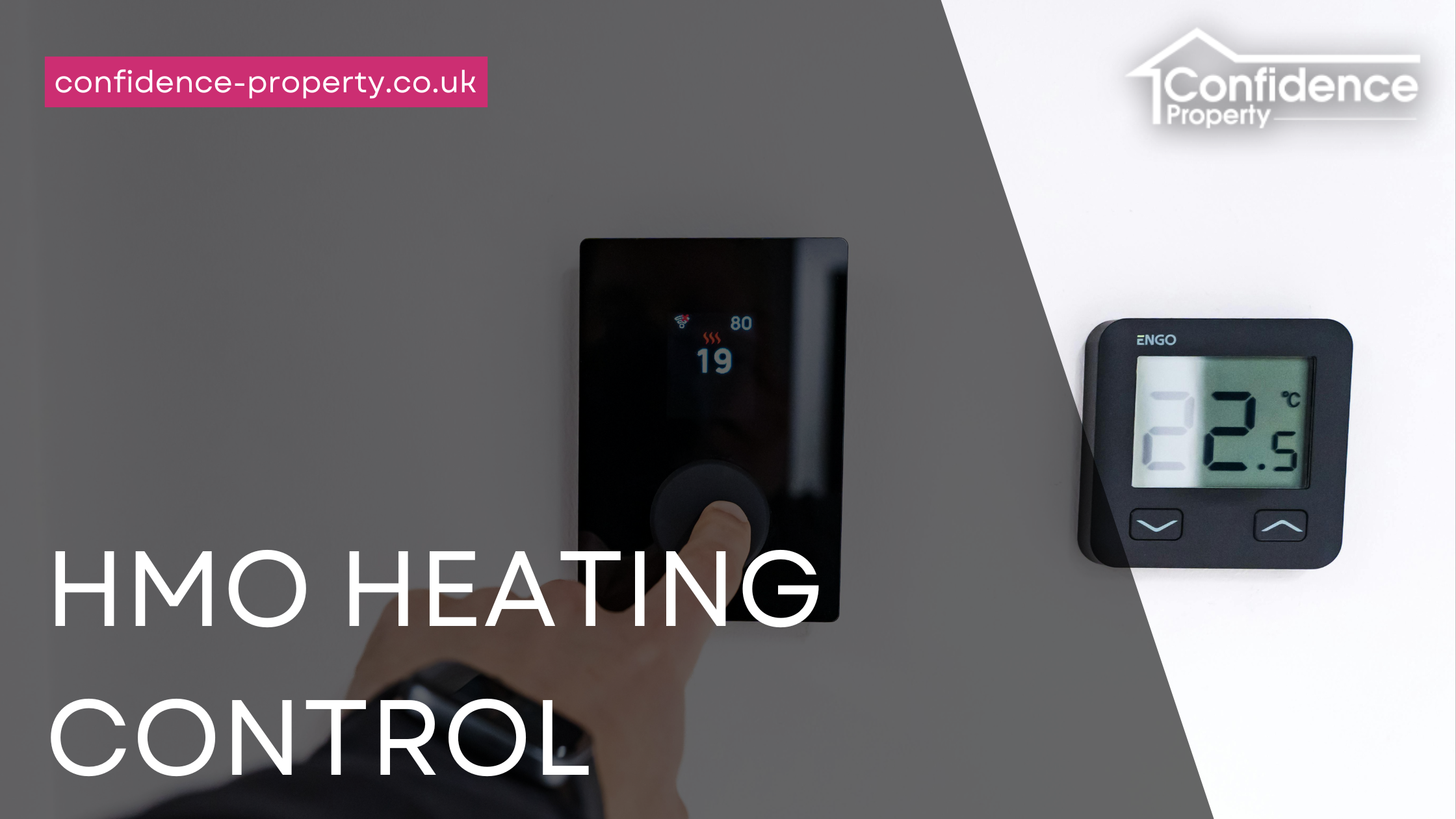
HMO Heating Control

If you manage or own an HMO, you’ve probably experienced this recently:

The heating bills are excessive for the month.
You attend the property.
The thermostat is set to 30°C.
The boost function has been running constantly.
And the windows are open.

Sound familiar?

Across Manchester and surrounding areas, we’re seeing a sharp increase in heating-related callouts — not because systems are faulty, but because heating is being misused.

For HMO landlords, poor heating control is no longer just a nuisance. It’s becoming a serious cost and compliance issue.


Why Heating Misuse Is Increasing in HMOs

Most HMOs include bills within the rent. That creates a behavioural gap:

  • Tenants aren’t directly responsible for energy costs
  • Boost buttons are easy to press
  • Windows are used for “temperature regulation”
  • No one monitors cumulative usage

In larger shared houses, this becomes amplified. One tenant may want it warm. Another opens a window. Someone else activates boost.

The result? Excessive gas consumption and rising landlord costs.


The Real Cost of Poor HMO Heating Control

Heating misuse doesn’t just mean higher bills.

It can lead to:

  • Boiler strain and premature breakdowns
  • Increased maintenance callouts
  • Higher carbon emissions
  • EPC inefficiency risks
  • Tenant disputes about comfort levels

With energy efficiency standards tightening via GOV.UK guidance and increasing landlord pressure from bodies like the National Residential Landlords Association, landlords need to demonstrate responsible energy management.

Simply relying on a standard thermostat is no longer enough in many HMOs.


The Boost Function Problem

Modern boilers often include a boost option. It’s designed for short bursts of heating.

In practice, we frequently see:

  • Boost activated repeatedly throughout the day
  • Heating running at maximum output
  • Tenants unaware of the cost impact
  • Properties overheating unnecessarily

In some cases, the property reaches 28–30°C while windows are open.

This isn’t malicious behaviour — it’s usually convenience and lack of understanding. But the financial impact sits entirely with the landlord.


The Shift Toward Controlled Heating Systems

Recently, we’ve installed a growing number of Time:o:stat systems in HMOs.

Time:o:stat is designed specifically for shared housing. It allows landlords to:

  • Set maximum temperature limits
  • Control heating schedules
  • Restrict boost duration
  • Prevent overheating beyond sensible levels
  • Reduce energy waste without removing tenant comfort

Instead of allowing unrestricted manual control, the system balances comfort with cost protection.

This is becoming a popular preventative measure rather than a reactive fix.


Is It Legal to Limit Tenant Heating Control?

This is a common question.

Landlords must ensure properties are adequately heated and free from excess cold under the Housing Health and Safety Rating System (HHSRS). However, there is no requirement to allow unlimited temperature control.

What matters is:

  • The property can reach safe, reasonable temperatures
  • Heating is functional and reliable
  • Systems are maintained properly
  • Tenants are not left in cold conditions

Limiting a thermostat to 21–23°C, for example, is entirely reasonable and aligned with energy efficiency best practice.

The goal isn’t restriction — it’s sensible management.


Signs Your HMO Needs Better Heating Management

You may need improved control if:

  • Winter gas bills are rising significantly year-on-year
  • Boilers are breaking down frequently
  • You receive repeated “too cold” or “too hot” complaints
  • Tenants override programmed schedules
  • Windows are frequently open during full heating cycles

If two or more of these apply, your system likely isn’t structured for shared living dynamics.


Why Traditional Thermostats Fail in HMOs

Standard domestic thermostats are designed for single-household use.

HMOs operate differently:

  • Multiple occupancy patterns
  • Different comfort preferences
  • Variable room usage
  • Higher turnover of tenants

Without structured controls, heating becomes unpredictable and expensive.


The Financial Case for Installing Time:o:stat

Many landlords hesitate because it’s an upfront cost.

However, consider:

  • Reduced gas consumption
  • Fewer callouts for “heating issues”
  • Lower boiler wear and tear
  • Improved EPC efficiency
  • Stronger compliance posture

In several properties, landlords have seen noticeable reductions in winter energy spend after installation.

The system often pays for itself over several months.


Educating Tenants Still Matters

Technology alone isn’t enough.

We recommend:

  • Providing a simple heating guide at move-in
  • Explaining boost limitations
  • Clarifying fair use expectations
  • Encouraging window use without full heating

Setting expectations early reduces disputes later.

Clear onboarding avoids reactive management.


The Bigger Picture: Energy Management Is Now a Landlord Skill

Energy performance is no longer optional or secondary.

With tightening standards, increased council scrutiny, and rising utility costs, proactive management is essential.

Heating misuse might seem minor. But multiplied across multiple rooms and months of winter, it becomes a significant profit leak.

Smart HMO landlords are shifting from reactive boiler repairs to structured heating management.


Final Thoughts: Prevention Is Cheaper Than Repair

If you’re repeatedly attending heating callouts that turn out to be misuse rather than mechanical failure, it may be time to reconsider your setup.

Controlled heating systems like Time:o:stat aren’t about restricting tenants — they’re about creating sustainable shared living environments.

Energy efficiency, cost protection, and compliance all align when heating is properly managed.


If you’d like a review of your current HMO heating setup, our team can provide a practical assessment and advise whether a controlled system would reduce your costs and callouts.

Simply get in touch for an informal discussion — no obligation, just clarity.

The True Cost of Self-Managing an HMO in 2026 

For many HMO landlords, self-managing feels like the obvious choice. On paper, it looks simple: avoid management fees, stay in control, and maximise profit.

But in 2026, the reality of self-managing an HMO is very different from how it was even a few years ago. Councils are stricter, tenant turnover is higher, and compliance expectations are heavier than ever. The result? Many landlords are still paying the price — just not always in obvious ways.

The real cost of self-managing an HMO isn’t just financial. It shows up in time, stress, voids, and risk. And once you add those up, the numbers often tell a different story.


The Time Cost No One Ever Calculates

Most landlords don’t sit down and price their time — but it’s the biggest hidden cost of self-management.

In 2026, running an HMO properly involves far more than collecting rent.

Typical monthly tasks include:

  • Responding to tenant queries (often out of hours)
  • Coordinating repairs with contractors
  • Chasing quotes, access, and follow-ups
  • Managing room changeovers and inspections
  • Dealing with council emails, licence conditions, and paperwork
  • Keeping fire safety and compliance documents up to date

Even a “well-run” HMO can easily take 10–20 hours per month. More if there’s a problem tenant, a void, or a compliance issue.

Ask yourself honestly:
If you weren’t doing this admin, what would you be doing instead?
Working on another project? Spending time with family? Simply switching off?

That opportunity cost rarely appears on a spreadsheet — but it’s very real.


Void Periods: The Silent Profit Killer

One empty room can wipe out a month’s worth of management fees without you even noticing.

Self-managed HMOs often suffer from longer voids because:

  • Marketing starts too late
  • Listings aren’t refreshed or optimised
  • Enquiries aren’t responded to quickly
  • Tenant matching is rushed just to “fill the room”
  • Viewings are limited to evenings or weekends

In shared houses, speed and systems matter. A delay of even one or two weeks per room quickly adds up across a year.

Professional HMO management isn’t just about finding tenants — it’s about reducing void days through:

  • Proactive marketing before notice periods end
  • Faster response times
  • Better tenant matching to reduce churn
  • Smoother changeovers between occupiers

Many landlords underestimate how much money leaks away through avoidable voids.


Compliance Mistakes Are More Expensive in 2026

Compliance has always mattered — but in 2026, the margin for error is smaller.

Local authorities are paying closer attention to:

  • Licence conditions
  • Fire safety standards and documentation
  • Management arrangements
  • How issues are logged, addressed, and evidenced

Common self-management pitfalls include:

  • Missing or misunderstood licence conditions
  • Outdated fire risk assessments
  • Informal processes that don’t stand up to scrutiny
  • Assuming “it passed last time” means it’s still compliant

Even when nothing goes “wrong”, the mental load of worrying whether you’ve missed something can be draining. And when something does go wrong, it’s rarely cheap or quick to fix.

Good HMO management isn’t just about knowing the rules — it’s about having systems that keep you compliant without constant firefighting.


The Stress Factor No One Talks About

This is the part most landlord blogs skip — but it’s often the deciding factor.

Self-managing an HMO means:

  • Being the first point of contact for everything
  • Never fully switching off
  • Managing people, not just property
  • Making decisions under pressure
  • Carrying the responsibility alone

Even when things are “fine”, there’s a constant low-level background noise:
Have I missed an email? Is that repair urgent? What if the council gets in touch?

Over time, that decision fatigue adds up. Many landlords don’t realise how much mental energy their HMO is consuming until they step back from day-to-day management.


What Professional HMO Management Actually Replaces

It’s easy to look at a management fee and see only the cost. What’s often overlooked is what it replaces.

Effective HMO management provides:

  • Established systems and processes
  • Faster lettings and reduced voids
  • Consistent compliance oversight
  • Contractor coordination and accountability
  • A buffer between landlord and tenant issues
  • Experience dealing with councils and inspections

You’re not just paying for someone to “manage tenants”. You’re paying for risk reduction, time freedom, and smoother performance across the property.

When management works properly, it often saves money in areas landlords don’t track closely — voids, mistakes, stress, and lost time.


When Self-Managing Still Makes Sense

To be clear, self-management isn’t always the wrong choice.

It can still work well if:

  • You have a single, low-risk HMO
  • You live nearby and are highly available
  • You enjoy hands-on involvement
  • You already have strong systems in place
  • You’re confident with compliance and council processes

The key is honesty. If self-managing is working for you — financially and personally — that’s valid.

Problems usually arise when landlords keep self-managing out of habit, not because it still makes sense.


It’s Not About Cost — It’s About Control

In 2026, self-managing an HMO isn’t “free”. You pay — just not always with money.

You pay with:

  • Time
  • Stress
  • Increased risk
  • Longer voids
  • Mental load

For some landlords, that trade-off is still worth it. For others, it quietly erodes the very benefits property investment was meant to provide.

The real question isn’t “How much does management cost?”
It’s “What is self-management actually costing me?”


If you’re unsure whether self-managing still makes sense for your HMO portfolio in 2026, a conversation can often bring clarity.

Confidence Property works with HMO landlords across Greater Manchester to reduce voids, stay compliant, and free up their time — without losing control of their investment.

Tenant Behaviour Management in HMO

Balancing Rules, Communication, and Compliance

Managing an HMO isn’t just about fire doors, licences, and rent collection. Tenant behaviour can make or break your investment. From noisy shared spaces to disagreements over cleaning schedules, poor behaviour can lead to disputes, complaints, and even breaches of tenancy agreements.

Effective tenant behaviour management is about striking the right balance between clear rules, proactive communication, and compliance with the law. Here’s how HMO landlords can protect their properties, maintain good relationships, and minimise problems.


Why Tenant Behaviour Management Matters

Shared living spaces naturally create potential friction. Common issues in HMOs include:

  • Noise complaints from tenants or neighbours
  • Untidy or unsanitary communal areas
  • Damage to fixtures, fittings, or furniture
  • Late or missed rent payments
  • Illegal activity or anti-social behaviour

Left unmanaged, these issues can result in increased voids, property damage, and legal disputes, impacting your bottom line and reputation as a landlord.


Setting Clear Rules from the Start

The foundation of good tenant behaviour management is clear rules, outlined before the tenancy starts.

Key Steps:

  1. Include behaviour clauses in tenancy agreements
    • Noise levels, guests, parties
    • Shared area cleaning responsibilities
    • Waste disposal and recycling
    • Use of appliances and communal facilities
  2. Provide a tenant handbook
    • Introduce the property layout, shared facilities, and expectations
    • Explain reporting procedures for repairs or complaints
    • Reinforce safety measures (fire doors, alarms, evacuation routes)
  3. Use a house meeting or induction
    • Walk tenants through the rules together
    • Set expectations clearly and answer questions

Tip: Written and verbal communication ensures tenants understand expectations and reduces disputes later.


Proactive Communication is Key

Effective communication helps catch minor issues before they escalate.

  • Regular check-ins: Monthly or quarterly inspections give landlords insight into shared spaces and potential conflicts
  • Digital communication channels: WhatsApp groups, email updates, or property management apps can streamline reporting and reminders
  • Encourage self-management: Empower tenants to report issues with cleaning, repairs, or neighbour concerns

By fostering an open communication culture, landlords can often resolve disputes without legal action, saving time and money.


Balancing Compliance and Enforcement

Rules are only effective if enforced fairly and consistently. HMO landlords must balance management with legal compliance.

1. Know Your Legal Responsibilities

  • Protect tenants from harassment or illegal eviction
  • Adhere to tenancy deposit protection rules
  • Maintain property safety standards under HMO licensing and fire safety laws

2. Keep Documentation

  • Record all tenant communications about behaviour issues
  • Document inspection findings with dates and photos
  • Maintain records of rent arrears or repeated complaints

Why it matters: Clear documentation protects landlords if disputes escalate to tribunals or court.

3. Graduated Enforcement

  • Stage 1: Verbal reminders or written warnings
  • Stage 2: Formal letters referencing tenancy agreement clauses
  • Stage 3: Serve notice (Section 8 for anti-social behaviour or rent arrears, where legally justified)

Handling Common HMO Tenant Behaviour Issues

Noise & Neighbour Complaints

  • Set quiet hours in tenancy agreements
  • Encourage tenants to communicate directly about minor disturbances
  • Mediate conflicts fairly to prevent escalation

Cleaning & Communal Areas

  • Introduce a rota for kitchen and bathroom cleaning
  • Take photos during inspections to document cleanliness
  • Encourage tenants to report maintenance issues proactively

Property Damage

  • Conduct regular inspections
  • Use the inventory to differentiate pre-existing damage
  • Apply deposit deductions fairly and within TDS/DPS/Reposit rules

Tips for Successful Tenant Behaviour Management

  1. Be proactive, not reactive – the earlier you address issues, the easier they are to resolve
  2. Treat tenants respectfully – fair treatment builds compliance and cooperation
  3. Have clear escalation procedures – tenants know consequences, landlords have a process
  4. Stay informed on laws – tenancy, licensing, and safety regulations change; ensure compliance
  5. Use professional property management where needed – HMO management companies often handle disputes efficiently

Need help managing tenant behaviour in your HMO?
Our team supports landlords with tenant onboarding, inspections, and dispute resolution — helping you maintain high standards, compliance, and good tenant relationships.

👉 Contact us today for practical advice tailored to your properties.