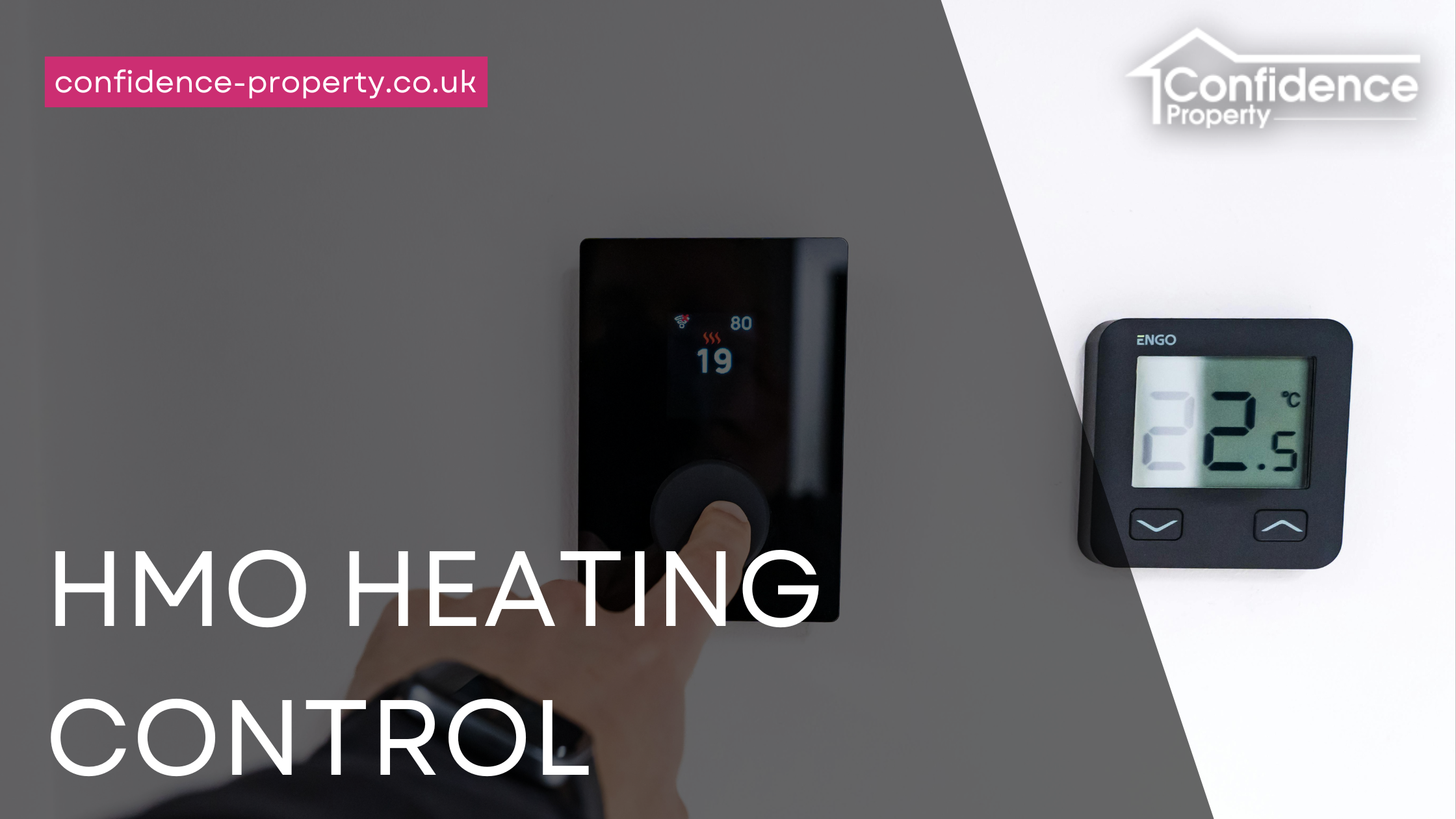
If you manage or own an HMO, you’ve probably experienced this recently:
The heating bills are excessive for the month.
You attend the property.
The thermostat is set to 30°C.
The boost function has been running constantly.
And the windows are open.
Sound familiar?
Across Manchester and surrounding areas, we’re seeing a sharp increase in heating-related callouts — not because systems are faulty, but because heating is being misused.
For HMO landlords, poor heating control is no longer just a nuisance. It’s becoming a serious cost and compliance issue.
Why Heating Misuse Is Increasing in HMOs
Most HMOs include bills within the rent. That creates a behavioural gap:
- Tenants aren’t directly responsible for energy costs
- Boost buttons are easy to press
- Windows are used for “temperature regulation”
- No one monitors cumulative usage
In larger shared houses, this becomes amplified. One tenant may want it warm. Another opens a window. Someone else activates boost.
The result? Excessive gas consumption and rising landlord costs.
The Real Cost of Poor HMO Heating Control
Heating misuse doesn’t just mean higher bills.
It can lead to:
- Boiler strain and premature breakdowns
- Increased maintenance callouts
- Higher carbon emissions
- EPC inefficiency risks
- Tenant disputes about comfort levels
With energy efficiency standards tightening via GOV.UK guidance and increasing landlord pressure from bodies like the National Residential Landlords Association, landlords need to demonstrate responsible energy management.
Simply relying on a standard thermostat is no longer enough in many HMOs.
The Boost Function Problem
Modern boilers often include a boost option. It’s designed for short bursts of heating.
In practice, we frequently see:
- Boost activated repeatedly throughout the day
- Heating running at maximum output
- Tenants unaware of the cost impact
- Properties overheating unnecessarily
In some cases, the property reaches 28–30°C while windows are open.
This isn’t malicious behaviour — it’s usually convenience and lack of understanding. But the financial impact sits entirely with the landlord.
The Shift Toward Controlled Heating Systems
Recently, we’ve installed a growing number of Time:o:stat systems in HMOs.
Time:o:stat is designed specifically for shared housing. It allows landlords to:
- Set maximum temperature limits
- Control heating schedules
- Restrict boost duration
- Prevent overheating beyond sensible levels
- Reduce energy waste without removing tenant comfort
Instead of allowing unrestricted manual control, the system balances comfort with cost protection.
This is becoming a popular preventative measure rather than a reactive fix.
Is It Legal to Limit Tenant Heating Control?
This is a common question.
Landlords must ensure properties are adequately heated and free from excess cold under the Housing Health and Safety Rating System (HHSRS). However, there is no requirement to allow unlimited temperature control.
What matters is:
- The property can reach safe, reasonable temperatures
- Heating is functional and reliable
- Systems are maintained properly
- Tenants are not left in cold conditions
Limiting a thermostat to 21–23°C, for example, is entirely reasonable and aligned with energy efficiency best practice.
The goal isn’t restriction — it’s sensible management.
Signs Your HMO Needs Better Heating Management
You may need improved control if:
- Winter gas bills are rising significantly year-on-year
- Boilers are breaking down frequently
- You receive repeated “too cold” or “too hot” complaints
- Tenants override programmed schedules
- Windows are frequently open during full heating cycles
If two or more of these apply, your system likely isn’t structured for shared living dynamics.
Why Traditional Thermostats Fail in HMOs
Standard domestic thermostats are designed for single-household use.
HMOs operate differently:
- Multiple occupancy patterns
- Different comfort preferences
- Variable room usage
- Higher turnover of tenants
Without structured controls, heating becomes unpredictable and expensive.
The Financial Case for Installing Time:o:stat
Many landlords hesitate because it’s an upfront cost.
However, consider:
- Reduced gas consumption
- Fewer callouts for “heating issues”
- Lower boiler wear and tear
- Improved EPC efficiency
- Stronger compliance posture
In several properties, landlords have seen noticeable reductions in winter energy spend after installation.
The system often pays for itself over several months.
Educating Tenants Still Matters
Technology alone isn’t enough.
We recommend:
- Providing a simple heating guide at move-in
- Explaining boost limitations
- Clarifying fair use expectations
- Encouraging window use without full heating
Setting expectations early reduces disputes later.
Clear onboarding avoids reactive management.
The Bigger Picture: Energy Management Is Now a Landlord Skill
Energy performance is no longer optional or secondary.
With tightening standards, increased council scrutiny, and rising utility costs, proactive management is essential.
Heating misuse might seem minor. But multiplied across multiple rooms and months of winter, it becomes a significant profit leak.
Smart HMO landlords are shifting from reactive boiler repairs to structured heating management.
Final Thoughts: Prevention Is Cheaper Than Repair
If you’re repeatedly attending heating callouts that turn out to be misuse rather than mechanical failure, it may be time to reconsider your setup.
Controlled heating systems like Time:o:stat aren’t about restricting tenants — they’re about creating sustainable shared living environments.
Energy efficiency, cost protection, and compliance all align when heating is properly managed.
If you’d like a review of your current HMO heating setup, our team can provide a practical assessment and advise whether a controlled system would reduce your costs and callouts.
Simply get in touch for an informal discussion — no obligation, just clarity.